Visual Postcards
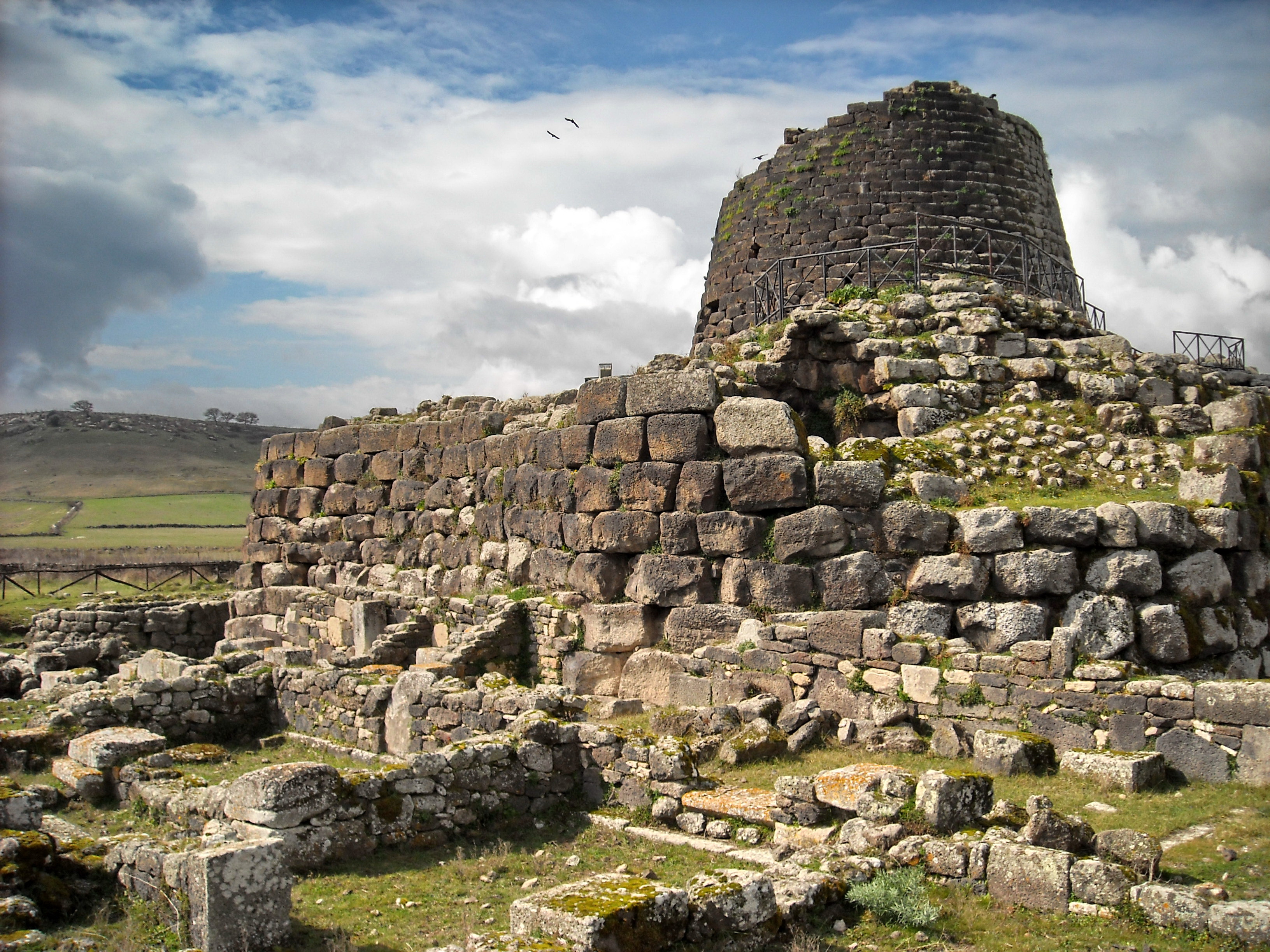
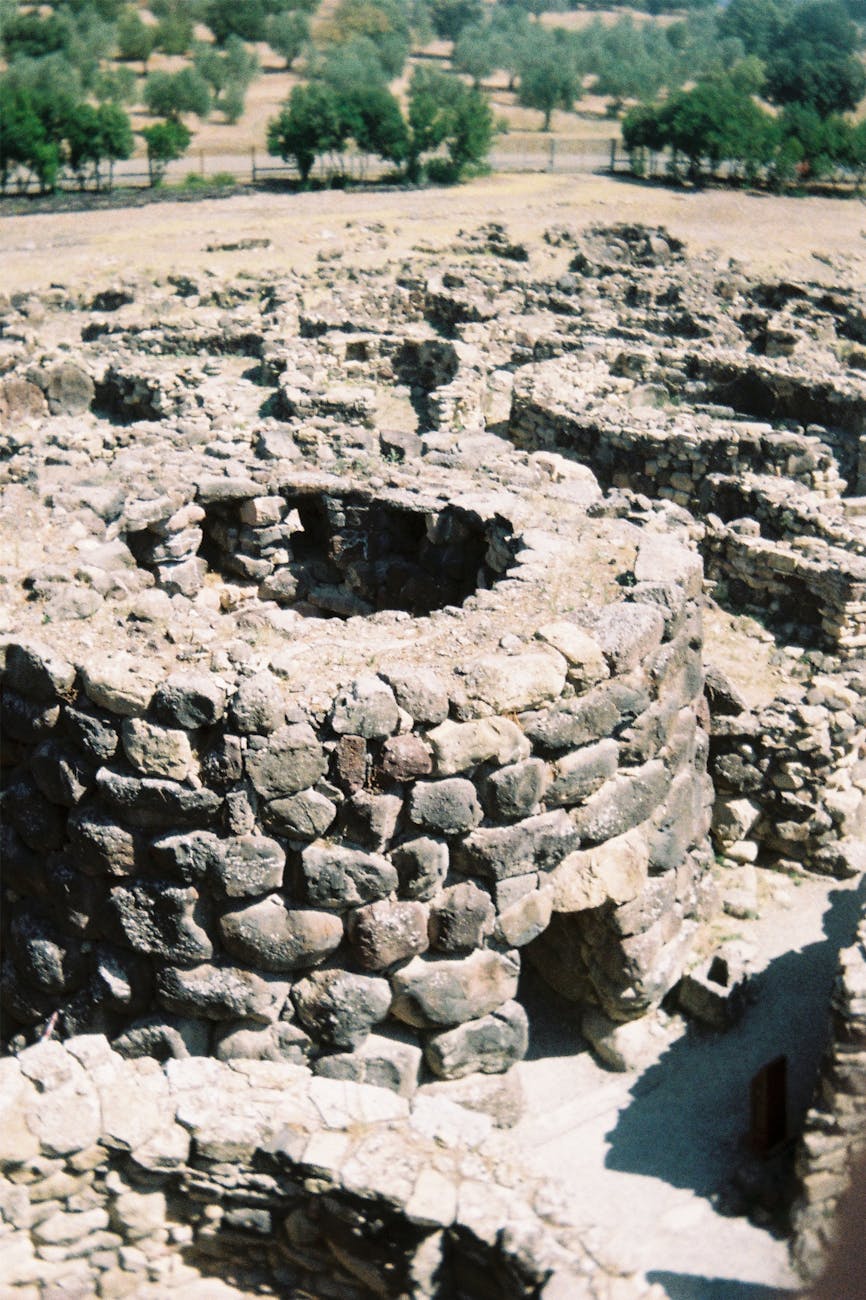
Glimpses of the historical site and surrounding natural beauty.
Welcome to the ultimate local visitor guide for Nuraghe Santu Antine in the beautiful region of Sardinia. Plan your trip with detailed local insights.
Nuraghe Santu Antine stands in the Cabu Abbas plain. Known as Sa domo de su re ('The House of the King'), it was constructed between the 16th century BC (Middle Bronze Age) and 9th century BC (Iron Age). It represents the engineering pinnacle of the Nuragic civilization. The central tholos tower rises to 17 metres (55.7 feet), constructed of massive dry-fitted basalt blocks without mortar. Expert travelers prefer it over Su Nuraxi di Barumini because it is less crowded and structurally better preserved, featuring double-walled concentric corridors.
Ticket is €10.00 (~$10.90) standard adult, €8.00 (~$8.72) reduced, €6.00 (~$6.54) kids 6-13, free for kids under 6. The ticket includes entry to the Museo della Valle dei Nuraghi in Torralba (4 km north). Summer hours are 09:00 to 20:00 daily (April 1 to September 30). Bring a torch for the dark interior chambers.
Glimpses of the historical site and surrounding natural beauty.
Standing proud in the Cabu Abbas plain, Nuraghe Santu Antine represents the engineering peak of Sardinia's Bronze Age. Known locally as Sa domo de su re ('The House of the King'), its colossal tholos towers and double-walled concentric corridors have stood for over 3,500 years, built entirely of massive basalt blocks without a single drop of mortar.
This portal provides detailed transport routes, local dining options, ticket details, and festival guides to help you explore. Step inside the cool, dark stone chambers, climb the intact spiral stairways, and enjoy your holiday in the heart of Sardinian heritage!